
ABOUT THE DEVELOPER
The story behind Seshat
One worldbuilder, one late night, and the tool that did not exist yet.
I did not set out to build software. I set out to build a language.
I am building a world called Kalaneth, with elven races and a family of languages that descend from a single ancestor tongue. I wanted those languages to feel real and unique, to hold together the way a real language does, with sounds that belong to each other and some shared words that come from one origin. I’m not a linguist so I went looking for a tool that would take me through the process and teach me what I did not know along the way.
However, I did not find one, many of the available tools assumed I already knew linguistics and what each setting does. The easy ones produced words that were repetitive or too similar to each other, and nothing taught me linguistics as I went, I couldn’t see the impact of each setting in the final product of my languages.
So one night in bed thinking about this I opened my laptop and started building the tool I had wanted for myself. I am not a linguist and I was not a developer either. I learned along the way because I had a clear vision of what I needed for my creative project. Seshat is what came out of that, and it is still based on the core of the problem it was built to solve: it shows you the impact on your language of each setting and choice in phonetics and grammar while you use it, and it generates accurate unique words.
I made one decision early and I have not moved from it: Seshat does not use AI to build your language. I want this to be a creative act with a real human at the center of it, no shortcuts. That means the tool itself has to work seamlessly with every aspect of language creation. So the algorithmic generator runs on your choices and only your choices.
What started as a personal project has turned into something I think could help many creatives bring their languages to life. I called it Seshat after my first cat and the Egyptian goddess she was named for, the goddess of writing, wisdom, measurement, and record.
I hope Seshat helps you create the language you have been thinking about. I hope it teaches you something about linguistics and real languages while it does. And I hope that somewhere in it you can feel that it was made with love and care by one person who wants to share something that might be of value to others.
Jaubert
Creator of Seshat
Support
Help Seshat Grow
Seshat is free while it grows, built and funded by one person on his free time.
If it has been useful and you want to help it keep going, a tip covers hosting and development.
Phonology and Writing stay free for everyone either way.
THE PERSON BEHIND IT
A little more about me
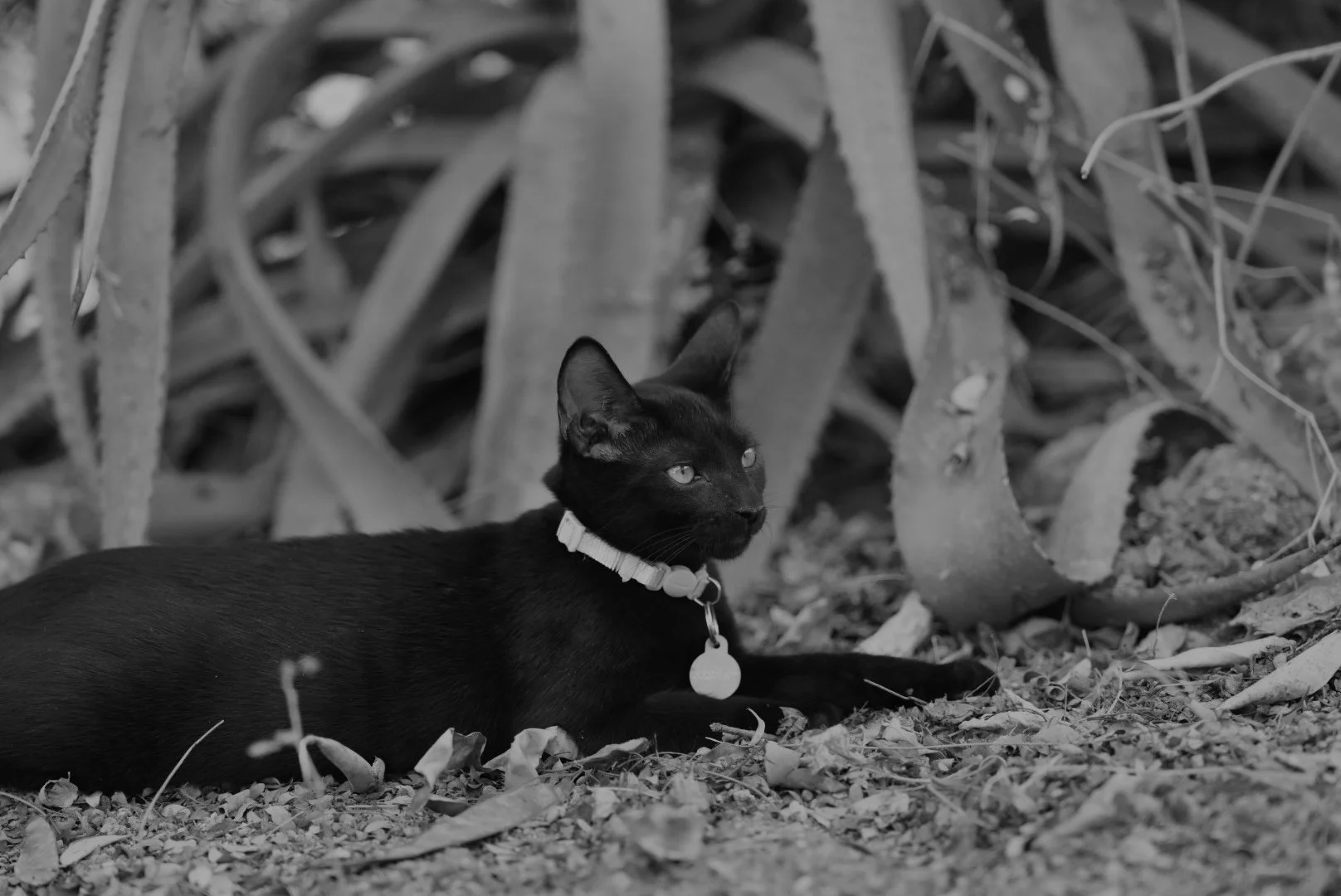
Seshat, my cat I named the app after <3
I go by Jaubert. I am a worldbuilder at heart, not a linguist and not an coder, and I came to both of those through the same need for Kalaneth (my fictional world in development). I was looking for a tool that would let me create my fictional languages.
Most of what I know about phonology I learned by getting it wrong first, and the little I know about code I learned by creating Minecraft mods, designing websites and most recently creating apps to provide simple and elegant tools that solve a need.
I was the person who needed the explanation for each linguistics feature of a language and how it affects the language and I wanted to see the impact of each decision as I was making them.
Seshat is named after my first cat, and it is the first passion project I ever launch to the public and it is built and funded by me, which means it moves at my learning pace. So please be patient with me. If you think something is wrong or unclear, please tell me, I’m always looking at ways to improve an learn.
The Egyptian names
Seshat, Thoth, and the words of the gods
Three names in this project come from the Egyptian myths of how writing came to exist.
Seshat
MALE COUNTER PART OF THOTH
Goddess of writing, wisdom, and knowledge.
Her name means female scribe.
She kept Egypt's records, the census, the accounts, the spoils of war, and the library of the gods where a copy of every document was held.
She was also the goddess of measurement: in the ceremony called stretching the cord she stood with the king to align a new temple by the stars before a stone was laid.
Writing and measuring were one goddess's work.
Her emblem is a seven-pointed star under a curved arch, worn above a leopard skin.
Thoth
FEMALE COUNTER PART OF SESHAT
God of wisdom, writing, science and magic.
Thoth is the ibis-headed god of the moon, knowledge, and magic, and the scribe of the gods and he’s credited with gifting writing and hieroglyphs to humans.
The Egyptians credited him with the invention of writing itself.
In the hall of judgement he records the weighing of the heart and reports what the scales say.
The Greeks matched him to Hermes, which is where Hermes Trismegistus comes from.
Thoth is also the name of the script designer being developed alongside Seshat.
Ma’at
CONSORT OF THOTH
Goddess of truth, balance, law, and justice.
Ma'at is the order the world is meant to hold on to, shown as a woman with an ostrich feather on her head.
Maat represents the ethical and moral principle that all citizens were expected to follow throughout their daily lives.
At judgement the heart goes on one pan of the scales and her feather on the other, and Thoth reads the result.
Ma'at is the standard things are measured against, which is why it is the name for the measurement dashboard that calibrates Seshat’s algorithms and language generation against real languages.
The Egyptians did not call their script hieroglyphs.
That word is Greek, from hieros (holy), and glypho (to carve), applied by outsiders who saw the signs cut into temple walls. The Egyptians called their writing medu netjer, the words of the gods, because Thoth had given it and Seshat kept what was written in it.

NOW IN PRE-ALPHA
Create languages. Build worlds.
Create an account, request a trial spot in the app, and help shape what gets built next.